Turning Historical Customer Data into Lifecycle Engagement
Designed and launched data-driven lifecycle campaigns using customer data to re-engage past customers and align messaging across touchpoints.
Role
Lifecycle & Campaign Analyst
Focus Area
Customer Lifecycle Management & Segmentation
Duration
~ 2.5 weeks
Problem
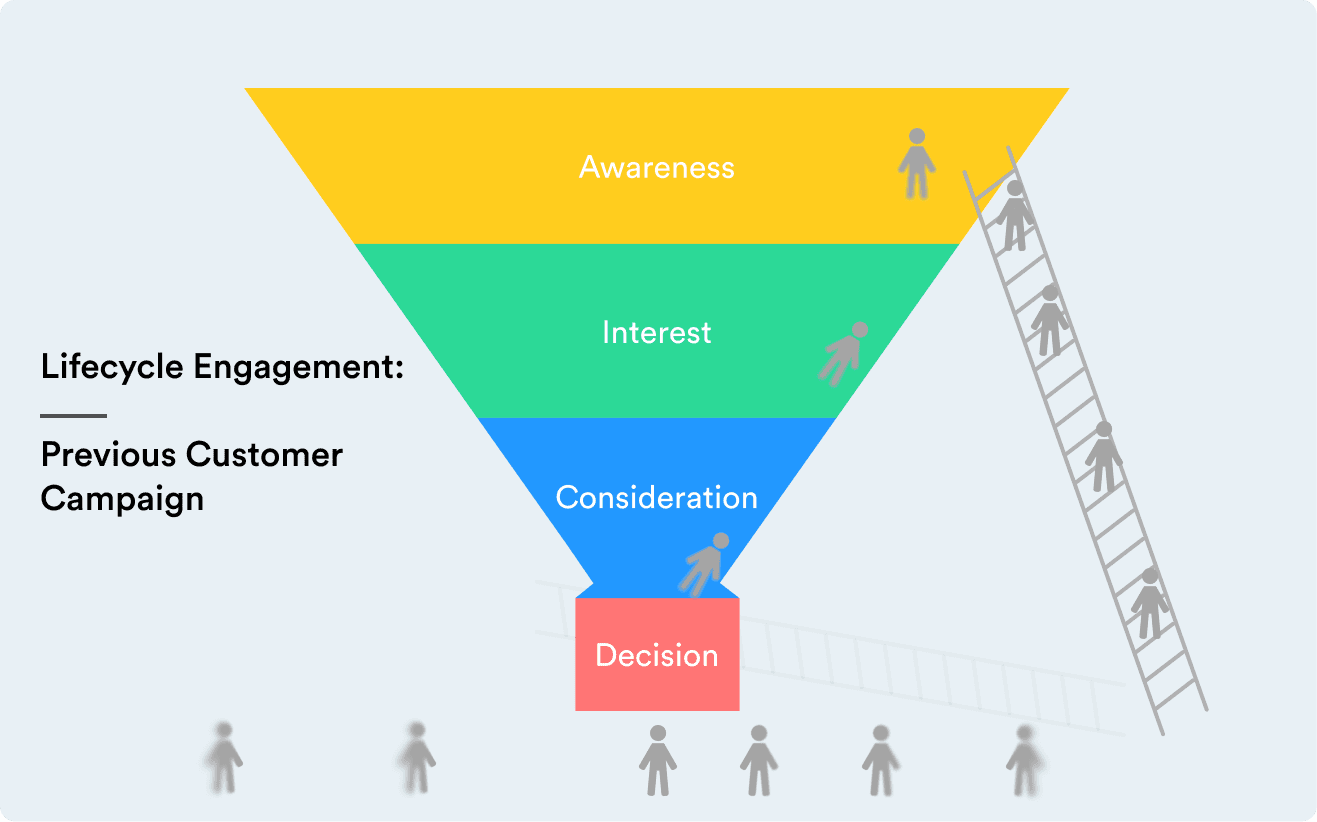
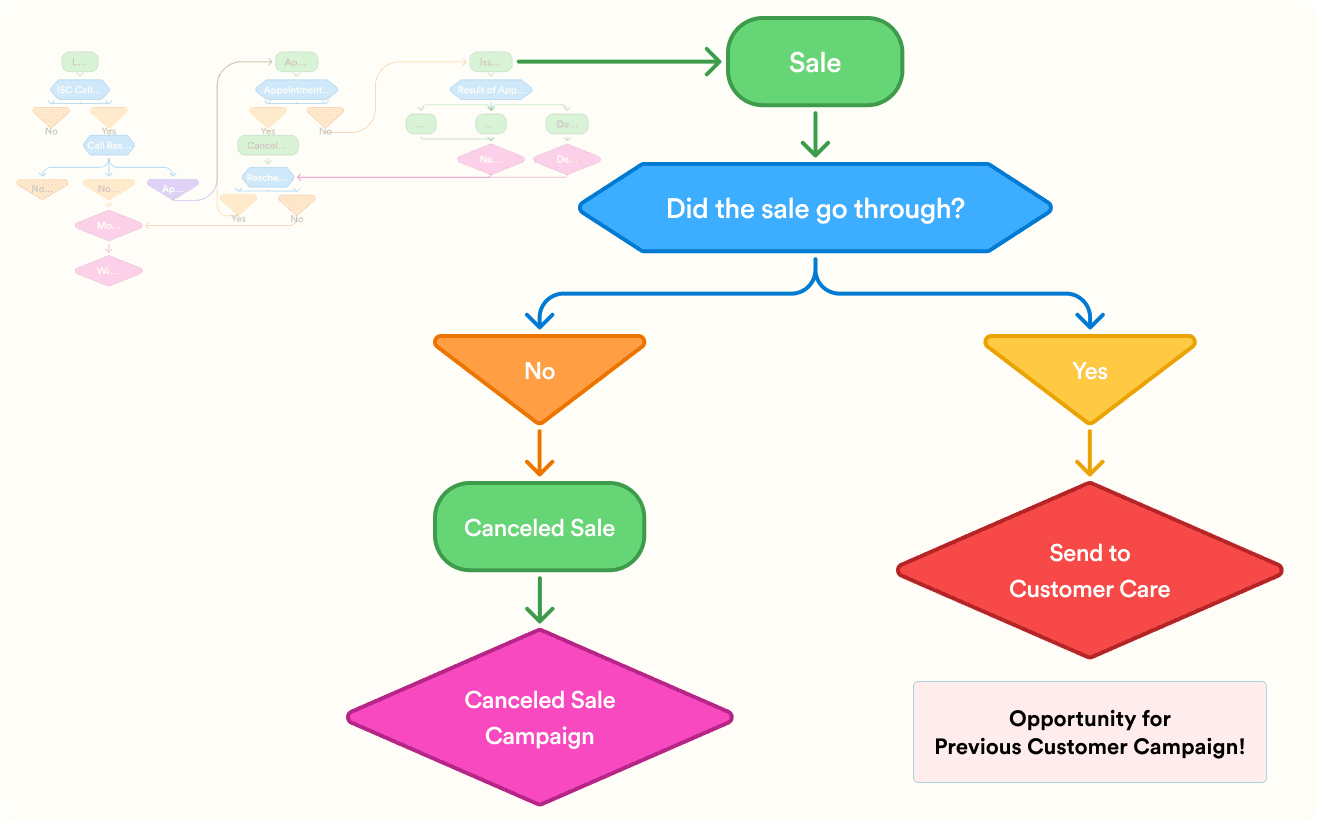
Early on in my role, I was tasked with mapping out customers’ full lifecycle journey including our marketing efforts at each step. I noticed that while we had campaigns to engage with potential buyers, there was no effort to reengage with the customers who have already purchased something from us. I saw an opportunity to build out a campaign for those buyers and pushed to build that out with my team
Investigation & Discovery
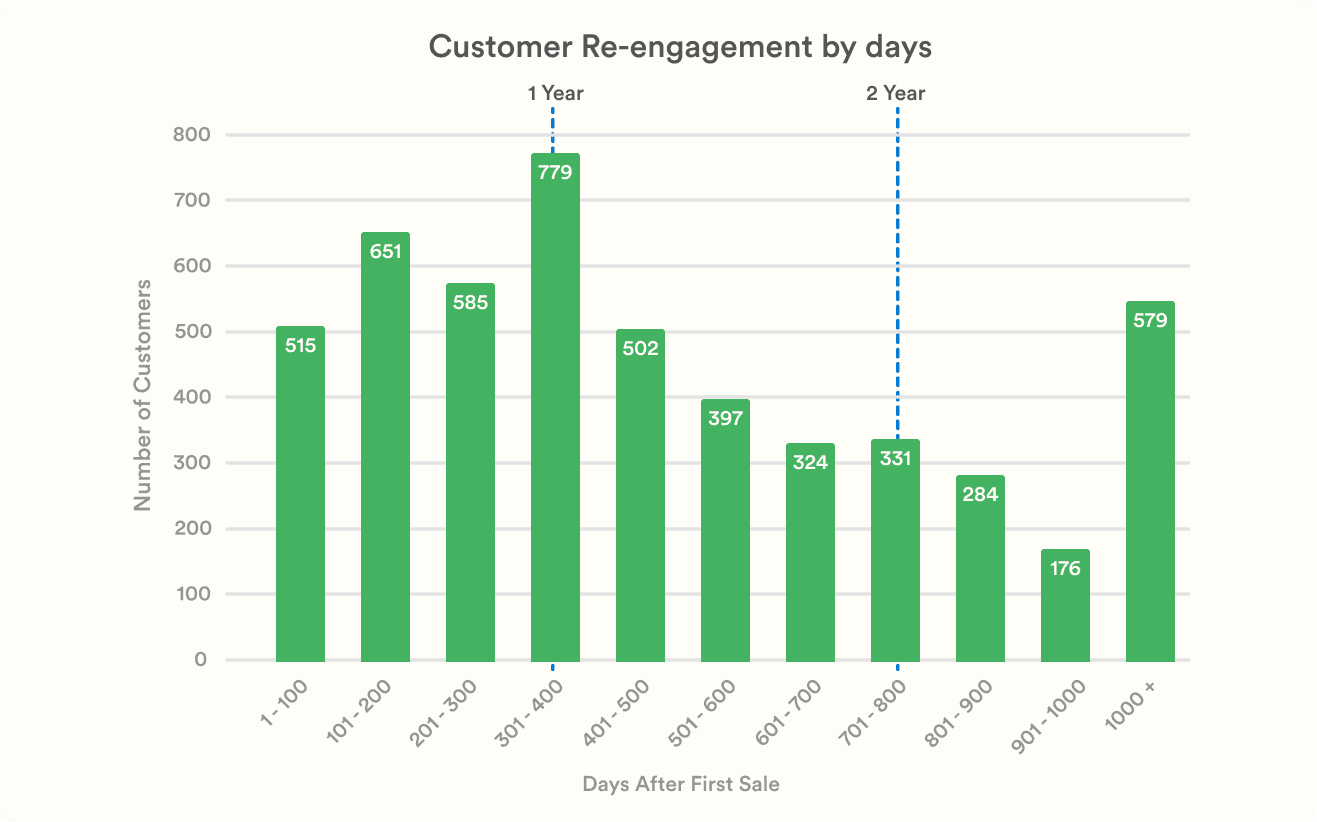
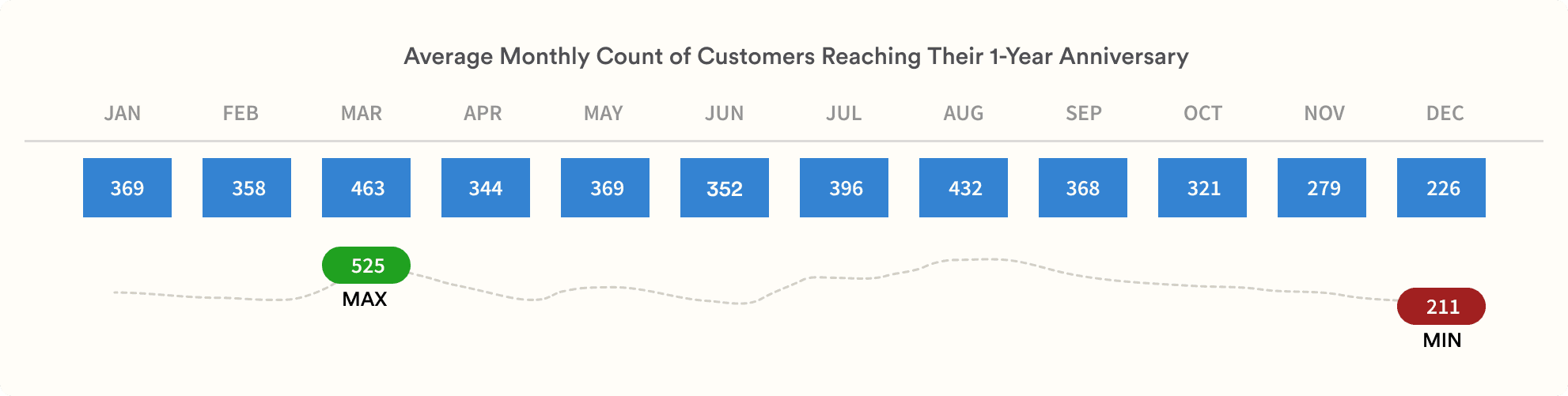
Before building the campaign, I examined 35 years of historical customer data to understand post-purchase behavior. I tracked each customer’s first sale, identified their most recent activity after that sale, and measured how frequently they engaged afterward. This allowed me to pinpoint the most effective timing for re-engagement. The analysis revealed that repeat purchases most frequently happened 12 months after the initial sale. I also found that the average customer made two purchases over their lifetime, with a maximum of four.
These insights directly informed the campaign strategy, helping us define re-engagement timing, expected monthly volume, and segmentation strategy.
Solution & Enablement:
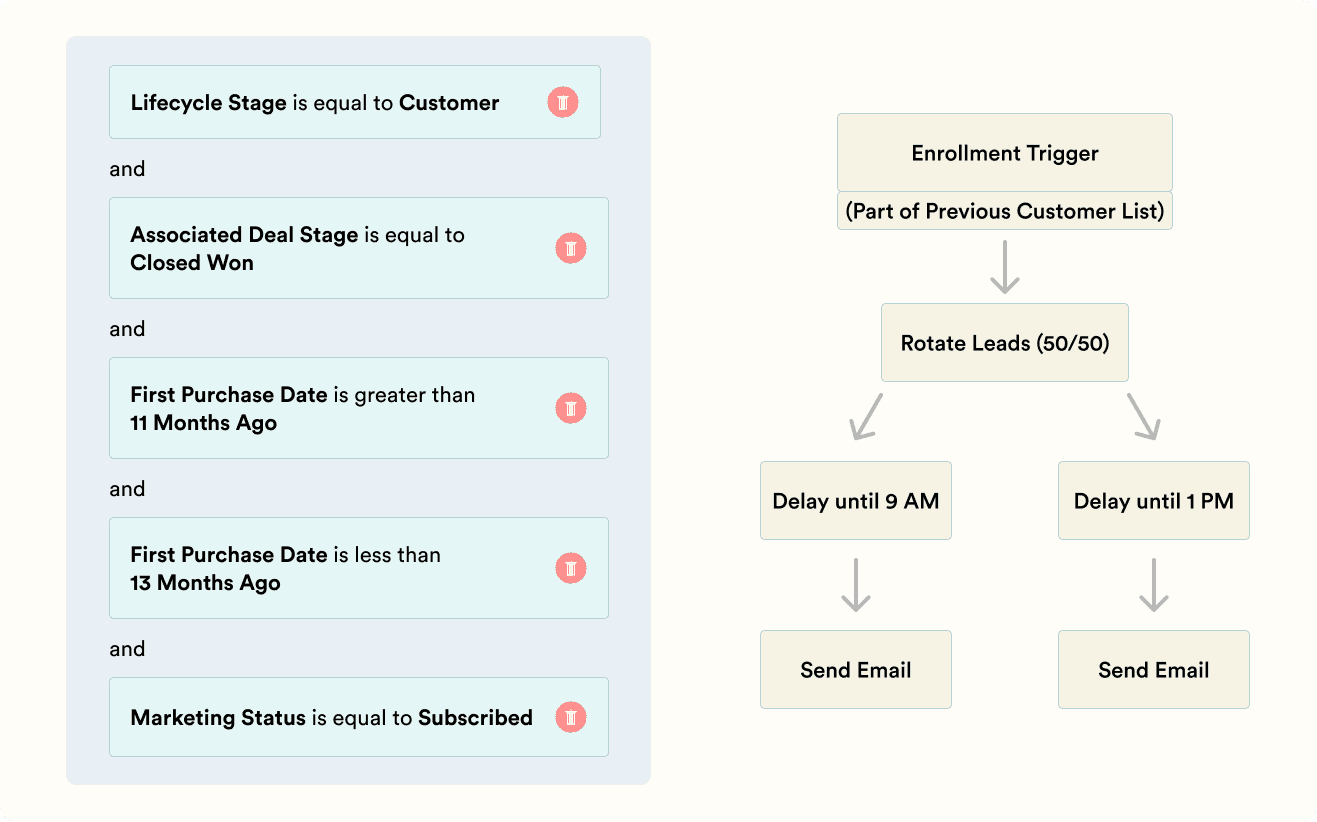
We began by mapping the campaign logic in Figma, outlining segmentation rules, enrollment criteria, and exit conditions. I collaborated closely with CRM stakeholders, directors, and my manager to align on how customers would flow through the lifecycle.
Using HubSpot, I built the automation and managed email delivery. During this time, we designed email layouts in Figma and worked with our graphic designer and copywriter to ensure the messaging was directed towards existing customers—not prospects. The tone, content, and framing were intentionally different from our lead-generation campaigns. We also partnered with leadership to include a discount for returning buyers.
Challenges:
After launch, early engagement (first week) was lower than expected. Digging into our communication maps, we discovered that Customer Care was also sending a separate 1-year anniversary email, which created overlapping and competing touchpoints.
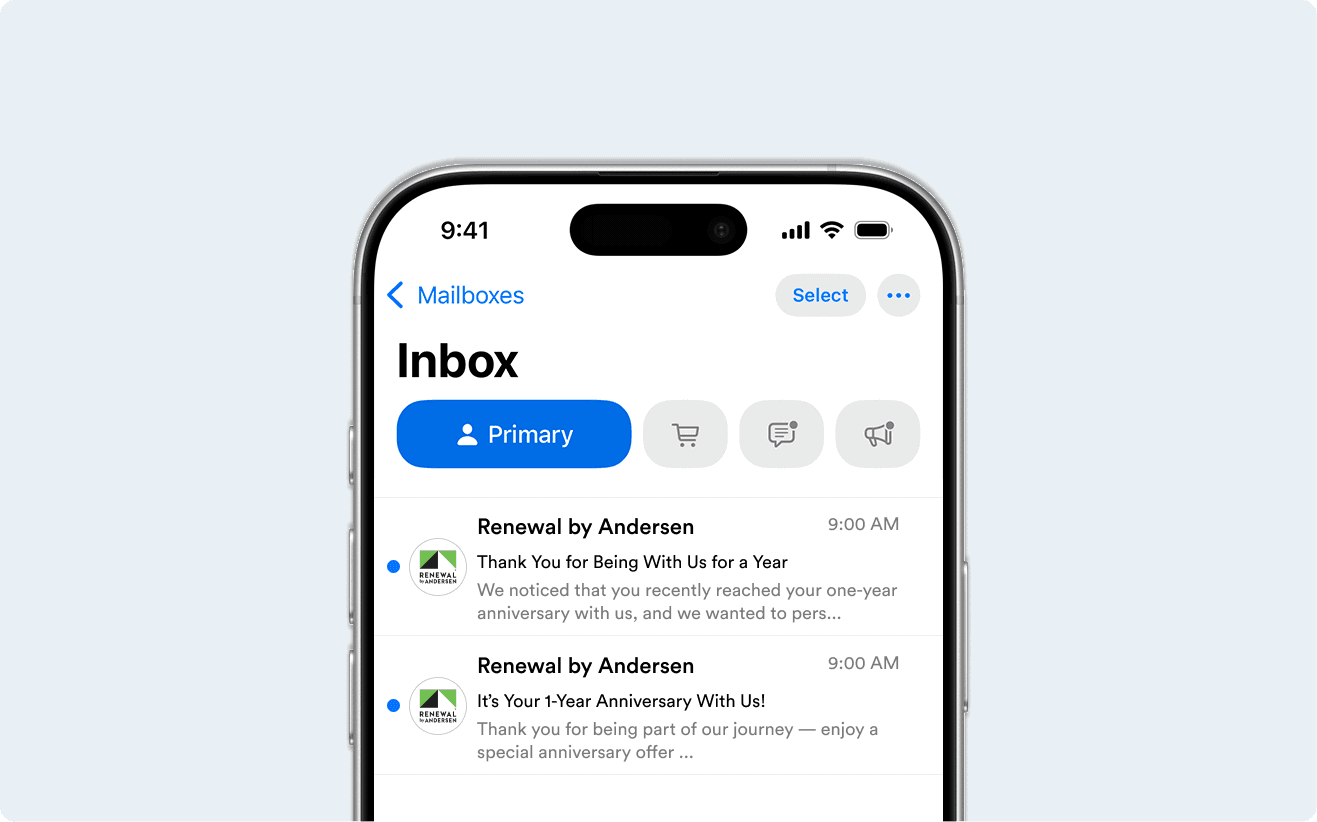
To resolve this, we aligned messaging across teams and staggered email timing to avoid conflicts. I also initiated a shared lifecycle email map across departments to clarify ownership, improve coordination, and prevent similar overlaps in future campaigns.
After a couple of weeks, this not only improved performance for the re-engagement campaign, but established a clearer, more collaborative approach to lifecycle communication moving forward.
Results:
📈 Over 65 total appointments booked resulting in +$1M revenue generated
🛒 Established segmentation and enrollment logic based on purchase history
🗣️ Increased coordination across Marketing, Customer Care, and CRM teams
⚖️ Created a scalable, reusable lifecycle campaign framework and SOPs
Next Steps:
Centralize all lifecycle data (purchase, engagement, and service) into customer profiles
Further collaborate with customer-facing teams to align data ownership, communication processes, and lifecycle execution
Leverage product data to create advanced segmentation, enabling lifecycle campaigns tailored to product types and customer purchase behavior
Other projects
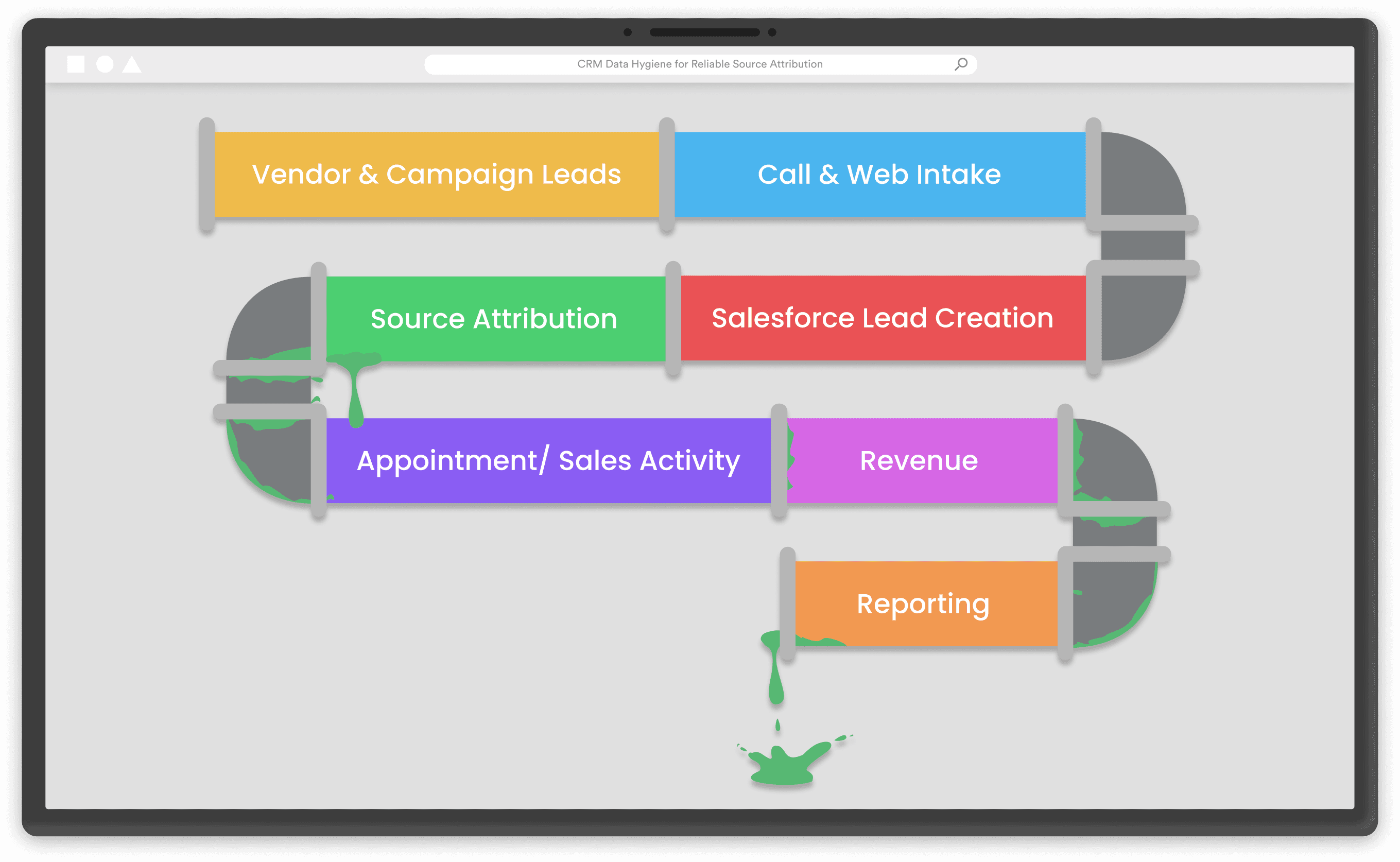
Where Did the Leads Go? Restoring Accurate Source Attribution
Diagnosed revenue and performance declines and built an automated, scalable attribution system to restore accurate lead source tracking.
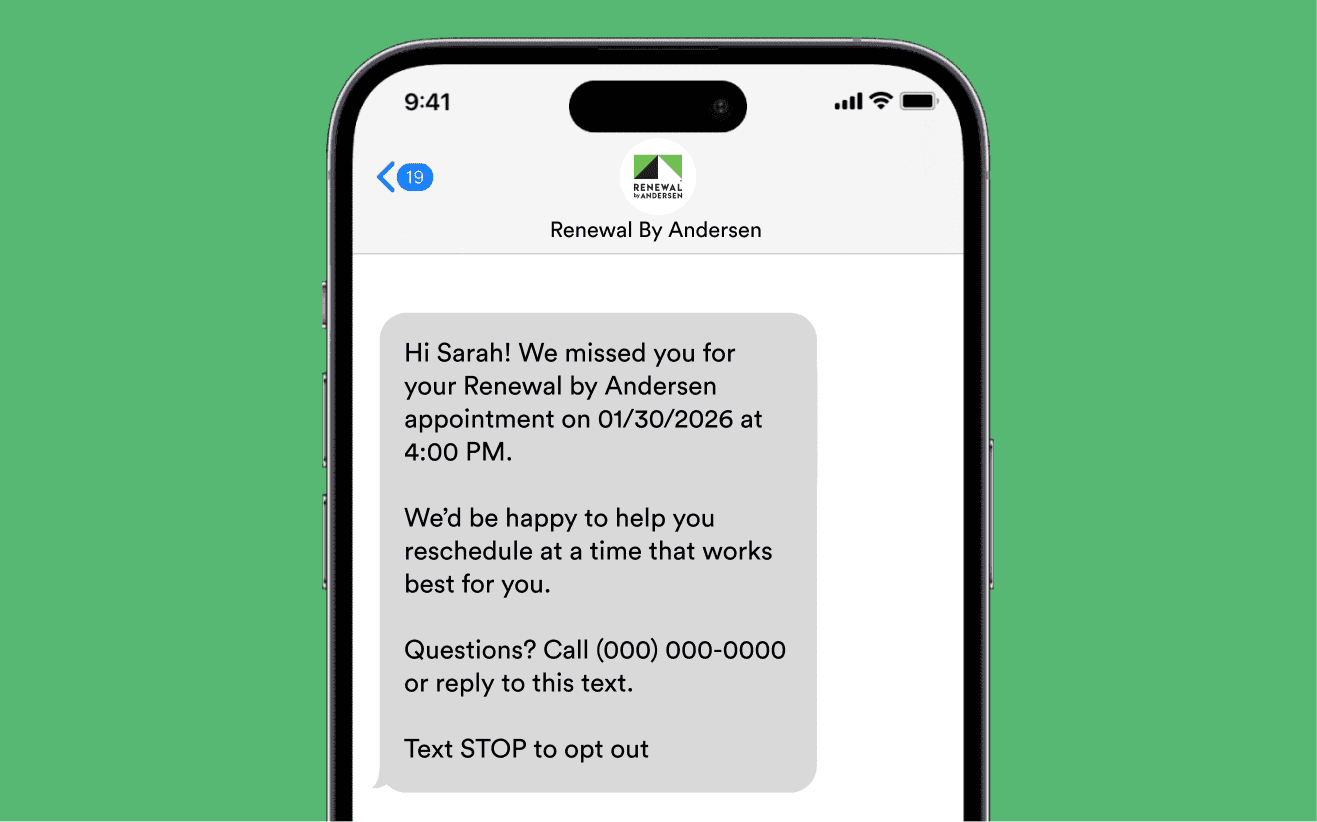
Improving Appointment Attendance with CRM-Driven Communication
Built and launched multi-touch email and SMS automations to increase confirmation rates, reduce no-shows, and improve marketing–sales alignment.