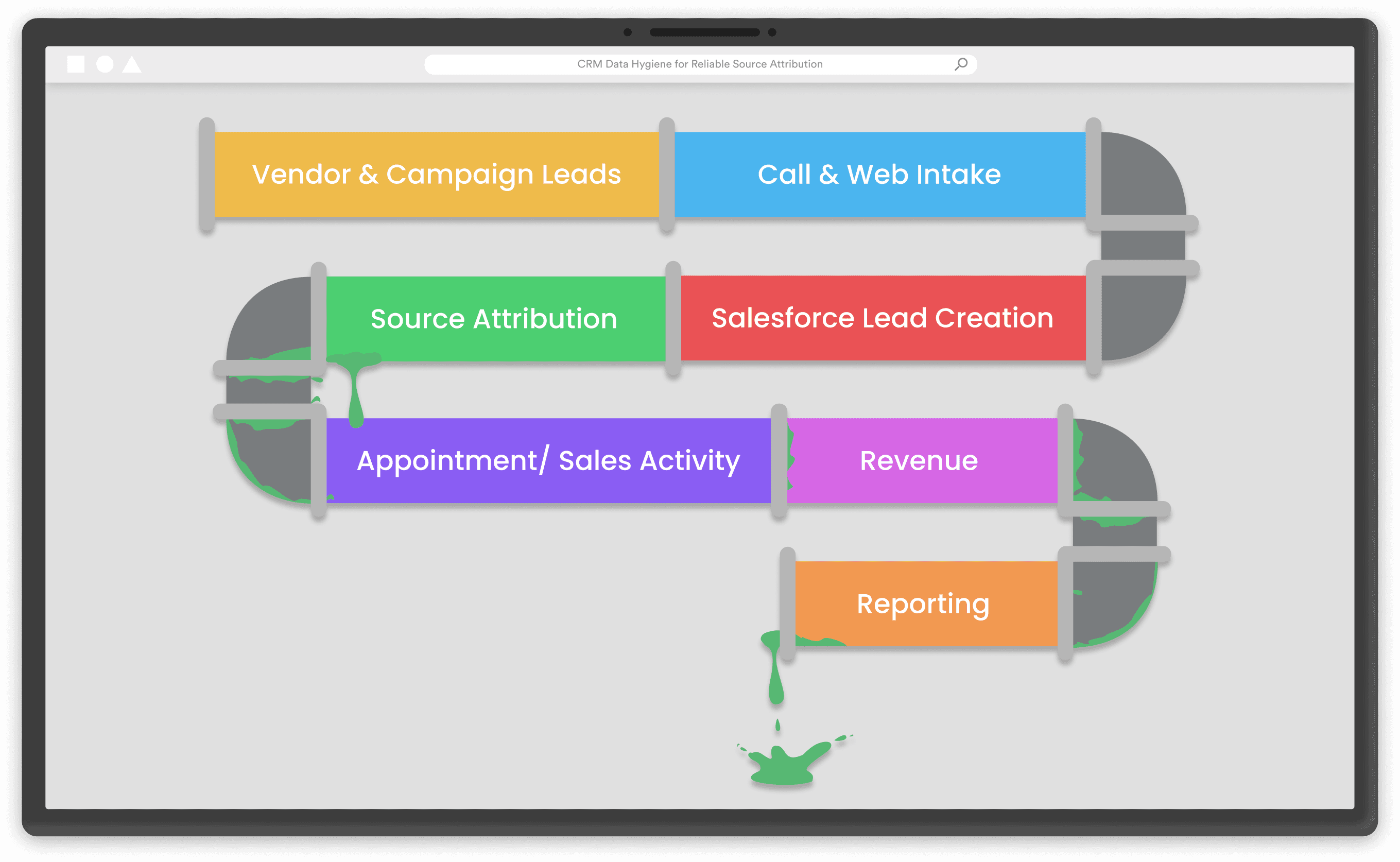
Where Did the Leads Go? Restoring Accurate Source Attribution
Diagnosed revenue and performance declines and built an automated, scalable attribution system to restore accurate lead source tracking.
Role
Data & Automation Lead
Focus Area
Data Quality & Process Improvement
Duration
~ 2 Weeks
Problem:
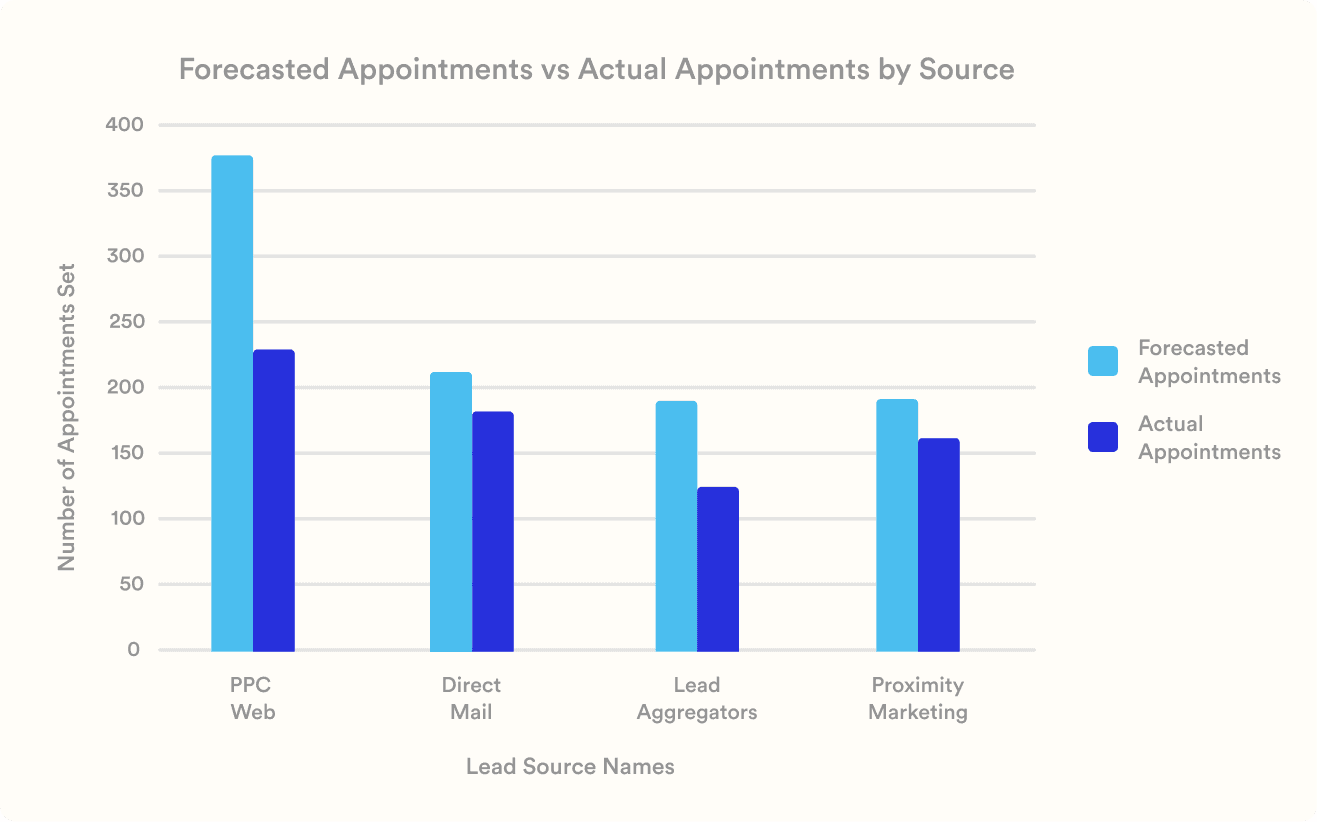
High-performing lead acquisition channels like direct mail, PPC web, and other sources showed a significant decrease in set appointments and sales, despite marketing spend and vendor lead volume remaining the same.
These dashboards were actively being used to inform budget reallocation decisions, raising concern that funding changes might be made based on inaccurate data.
I wanted to discover the reason for this decline.
Discovery:
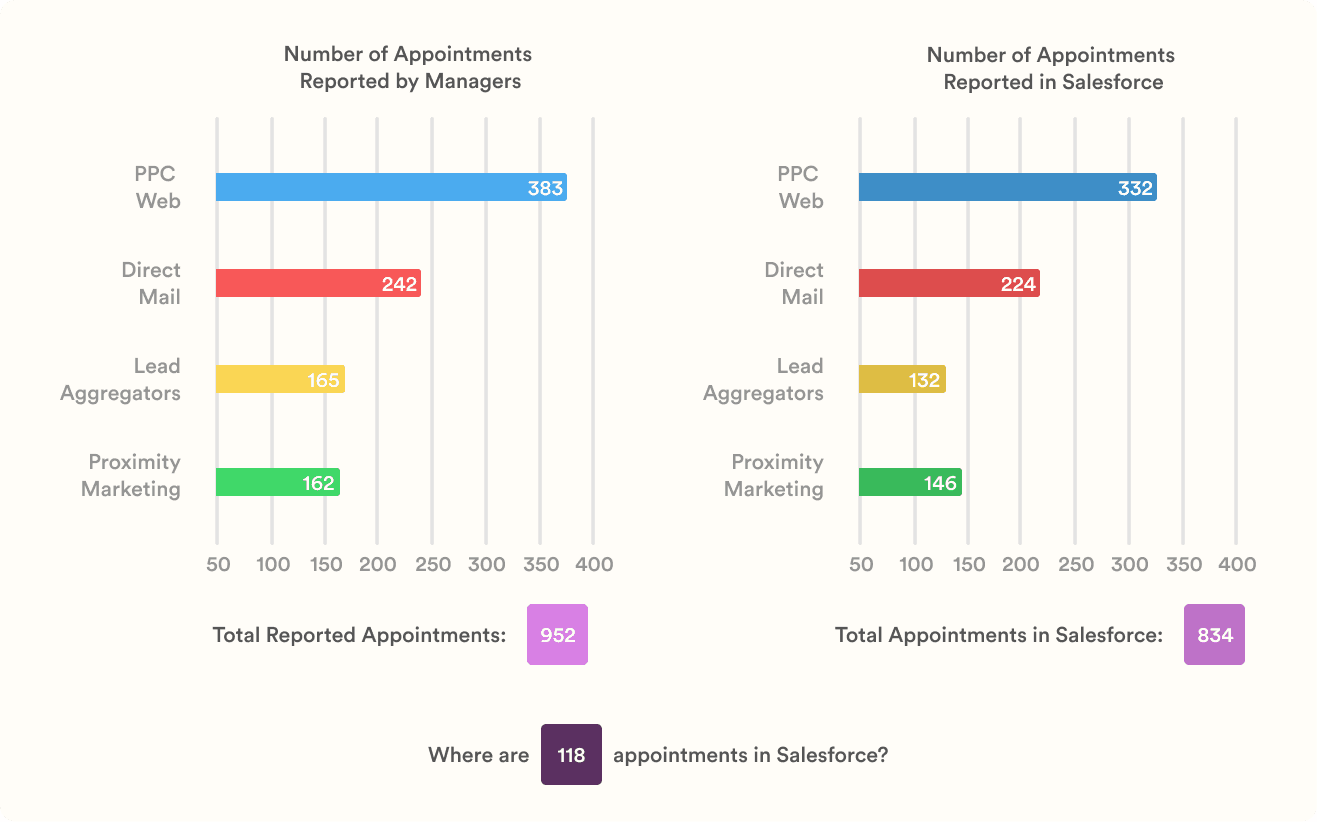
I began by comparing vendor/ manager-reported leads to the leads in Salesforce, using phone numbers and email addresses as unique identifiers. This analysis revealed a clear problem: significantly fewer leads were being attributed to these sources than vendors/ managers had reported.
Investigation:
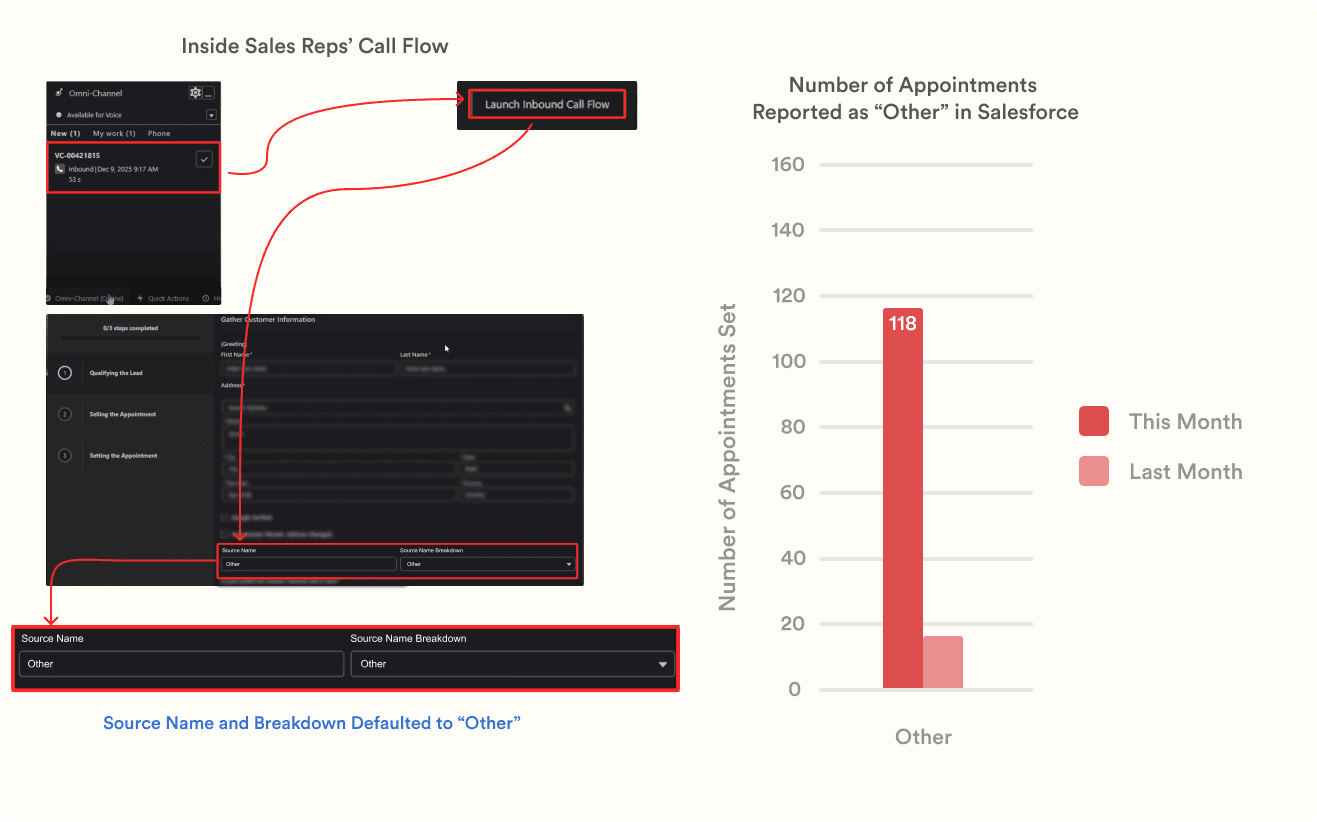
While the leads did exist in the CRM, many were being attributed to generic sources such as “Other,” skewing the dashboards and making high-performing channels appear to be underperforming.
To understand how this misattribution was happening, I shadowed four inside sales representatives and observed their workflow.
When leads came in via inbound calls, the source information was captured in call center data and intended to flow into Salesforce. However, that information was not auto-populated like it was intended to, and any changes in the source did not reflect. Reps were required to manually select the correct source and source breakdown, and in most cases, this step was skipped or defaulted to “Other.”
At the same time, we saw an increase in appointments and sales attributed to “Other,” confirming that this was an attribution issue.
This helped me realize that the issue was not reporting-related, but rather a combination of system behavior and manual process gaps.
Solution:
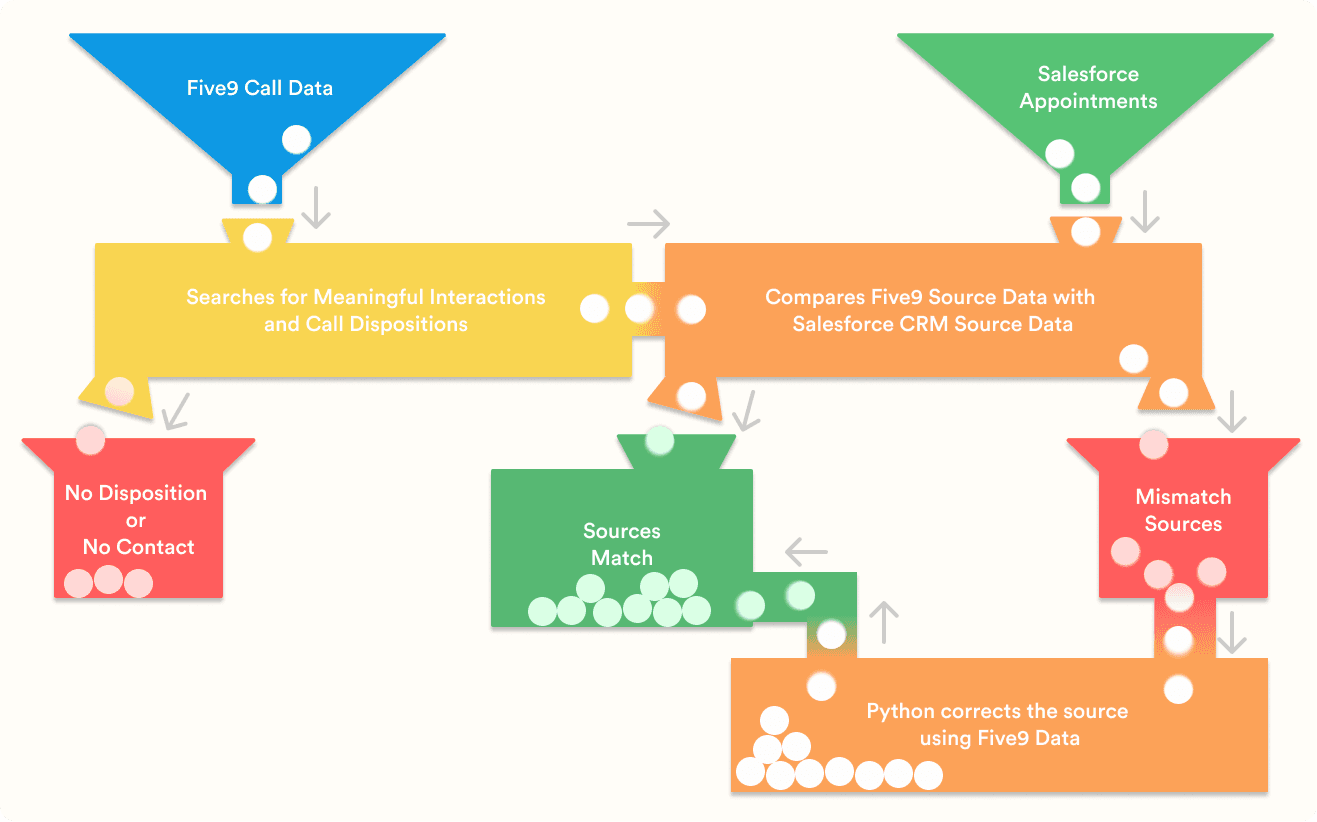
Since the correct source information existed within the call data, I pulled all call activity from the previous 30 days and filtered for meaningful interactions (calls over three minutes with dispositions such as “Set Appointment”).
I then pulled all leads created during the same timeframe and compared the two datasets using phone numbers to match records. Where sources were mismatched or missing, I was able to identify the correct attribution.
Using Python, I created a script to automate source verification and correction. The script discovered and corrected over 500 misattributed leads and more than $1.3 million in misattributed revenue across a three month period (October- December).
Preventing Reccurence:
While fixing the mis-attributed leads was a big win, I wanted to make sure that this would not continue to be a problem moving forward.
To develop a sustainable solution, I:
💻 Created screen-recorded training videos to show reps how to source leads correctly when the source fails to auto-populate.
🧑🏫 Trained managers and joined team sessions to reinforce the importance of accurate attribution
👾 Built a recurring automated script that compares CRM and call center data weekly and flags misattributions
Results:
✅ Corrected 500+ misattributed leads representing approximately $ 1.3 Million in influenced revenue
📊 Restored confidence in marketing performance reporting
⏰ Reduced manual audits through automation, saving 40 hours per month
💻 Established ongoing data hygiene and accountability, reducing long-term reporting risk and operational rework
Next Steps/ Improvements:
Add real-time alerts for missing or incorrect source data using Zapier
Implement direct CRM ↔ MAP integration to eliminate manual processes
Establish company-wide standards for source definitions, campaign naming conventions, and vendor tagging rules.
Other projects
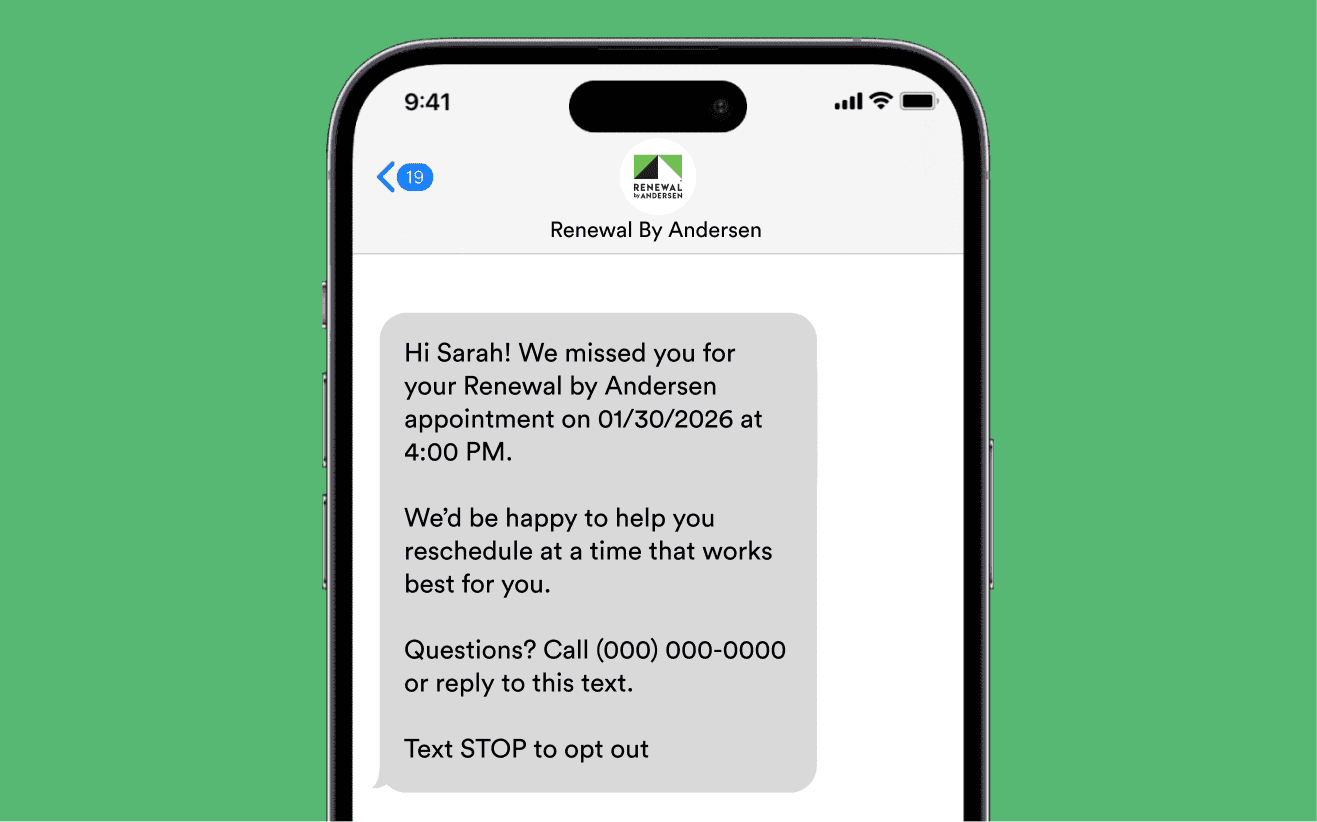
Improving Appointment Attendance with CRM-Driven Communication
Built and launched multi-touch email and SMS automations to increase confirmation rates, reduce no-shows, and improve marketing–sales alignment.
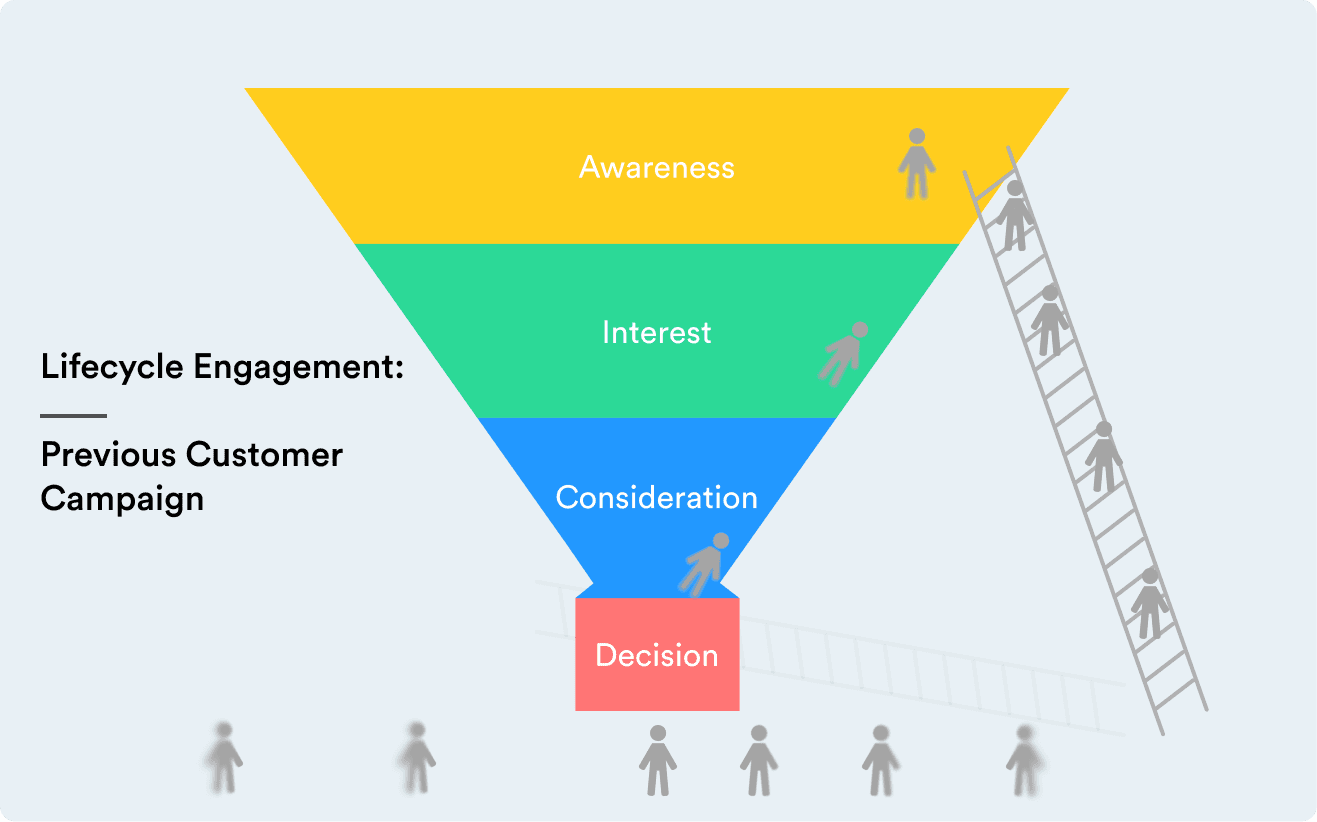
Turning Historical Customer Data into Lifecycle Engagement
Designed and launched data-driven lifecycle campaigns using customer data to re-engage past customers and align messaging across touchpoints.